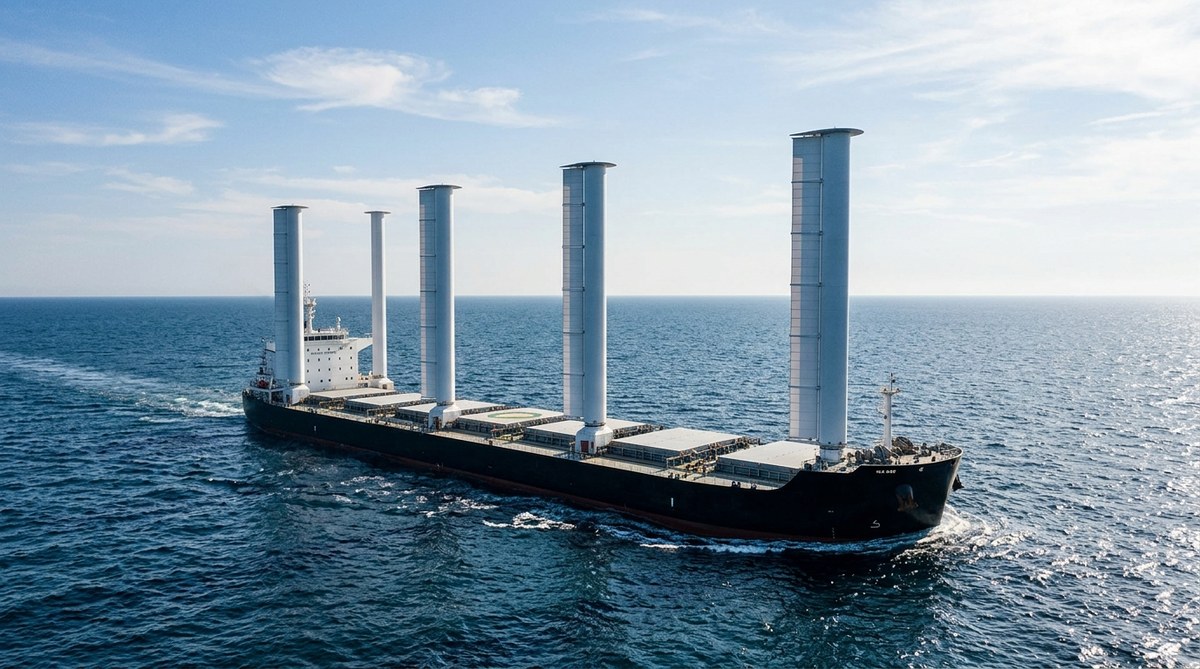
Across a world that depends on reliable and sustainable trade, wind remains one of the oldest and most powerful energy sources at sea. Wind-assisted propulsion is not about replacing engines overnight but about smartly pairing natural air flow with modern technology to cut fuel use, lower emissions, and improve voyage predictability. For fleet operators, sustainability teams, and technology leaders in the maritime sector, WASP solutions offer a practical pathway to cleaner shipping without sacrificing reliability or performance. This article unpacks what wind-assisted propulsion is, how it works, the technologies involved, the business case, and what a future with wind-powered legs could look like for global trade.
What is wind assisted propulsion
Wind assisted propulsion, or WASP, refers to the use of wind power to augment conventional engine driven propulsion on ships. The goal is to reduce fuel burn, shave greenhouse gas emissions, and extend the time between maintenance cycles by letting the wind do part of the work. WASP systems come with sensors, control algorithms, and mechanical devices that optimize the capture and delivery of wind energy to a vessel’s propulsion system.
In practice, WASP is not a one size fits all solution. It encompasses a family of technologies designed to operate on a wide range of vessel types, routes, and operating profiles. Some ships may benefit most from aerodynamic devices such as wingsails or rotor sails, while others might gain from tethered solutions like kite sails or hybrid concepts that combine multiple approaches. What unites them is a focus on integration with ship performance tools, route planning, and real time weather information to maximize power without compromising safety or operational flexibility.
How WASP works
WASP systems rely on three core elements working in harmony:
- Hardware that can capture wind energy and channel it into propulsion or assist the propulsion system.
- Sensors and measurements that quantify wind speed and direction, turbulence, and gusts, typically combined with ship speed, heading, and propulsion status.
- Control software and human oversight that optimize the angle, duration, and configuration of wind devices while maintaining safe navigation, stability, and compliance with regulations.
The result is a dynamic system that can reduce engine power demand on legs of a voyage, particularly in favorable wind regimes, while maintaining speed and schedule reliability when winds are less favorable.
Key technologies in wind assisted propulsion
WASP covers a broad spectrum of technologies. Below are the main categories you are likely to encounter in contemporary discussions and deployments.
### Wingsails and rigid sail systems
Wingsails or rigid sail structures use aerodynamics to convert wind into thrust more efficiently than traditional flexible sails. Modern wingsails come with adjustable angles, automated control, and lightweight materials that withstand saltwater corrosion. Benefits include:
- Higher lift-to-drag ratios compared with simple sail configurations
- Real time tracking and optimization via on board sensors
- Compatibility with standard ship hull forms and propulsion shafts
These systems can be retrofitted to existing vessels or integrated into new builds, with control strategies designed to work alongside main engines and propellers.
### Rotor sails and turbine inspired devices
Rotor sails, sometimes called Flettner rotors, use the Magnus effect to generate a thrust component from spinning cylinders placed along the deck or superstructure. They are compact, modular, and can be folded or stowed when not in use. Key points:
- Effective in cross winds and moderate wind conditions
- Do not require a full winged rigging footprint
- Can be integrated with weather routing to optimize operating windows
### Kite sails and tethered wind devices
Kite or tethered solar-free wind devices fly in the upper atmosphere, where wind speeds are often stronger and steadier. Modern deployments emphasize automated launch and retrieval, robust tether management, and fail safe recovery systems. Advantages include:
- Access to higher altitude winds not available at deck level
- Potential for substantial fuel savings on long ocean passages
- A need for specialized operations planning and safety considerations
### Hybrid and modular solutions
Hybrid systems blend multiple technologies to capture wind power across different wind regimes. For example, ships may use rotor sails on one leg of a voyage and kite sails on another, or combine a wingsail with a rotor for improved performance. The modular approach supports retrofit onto a variety of vessel types and helps tailor the system to operational profiles.
### Wind measurement and sensing
Accurate wind data is critical. Modern WASP programs rely on:
- Lidar wind sensing to measure wind speed and direction ahead of the vessel
- Ultrasonic sensors for near hull wind observations
- Conventional anemometers for on deck wind readings
- Data fusion systems that correlate wind data with ship speed, course, and propulsion output
The goal is precise, actionable wind data to maximize energy capture and ensure safe maneuvering and stability.
How wind assisted propulsion integrates with ship operations
WASP is not a standalone add on. It sits at the intersection of fleet operations, engineering, and voyage optimization. The most successful implementations treat wind power as a lever within a broader performance strategy that includes weather routing, energy management, and propulsion control.
Route planning and weather routing
- WASP benefits are often route dependent. Optimal wind capture occurs when the voyage planning team can align sailing legs with favorable wind windows.
- Weather routing systems can incorporate WASP capabilities into the overall decision framework, recommending when to deploy wind devices versus when to rely more on engine power.
- Real time weather updates allow ships to adjust wind capture strategies during a voyage, maintaining schedule while maximizing fuel savings.
Vessel integration and propulsion control
- WASP systems must be integrated with the ship’s propulsion control system to coordinate thrust contributions from wind devices and the main engine.
- Operators need intuitive interfaces and fail safe modes to ensure a quick override if weather conditions change or if a safety constraint is triggered.
- Maintenance planning becomes part of the daily routine, as rotor and kite devices require inspections, tether checks where applicable, and routine lubrication of moving parts.
Data analytics and digital twins
- Data streams from wind sensors, vessel performance, and engine telemetry feed a digital twin of the vessel. This allows operators to simulate different wind scenarios and quantify potential savings.
- Predictive maintenance becomes possible when sensor data reveals wear patterns or micro damages before they become critical.
Benefits and ROI potential
The business case for wind assisted propulsion rests on several tangible and intangible benefits. While outcomes vary by vessel type, route, and operating discipline, the potential gains are compelling.
- Fuel savings: Typical projections range from modest reductions in fuel burn for ships on routes with favorable wind regimes to double digit percentage savings on longer legs with consistent cross winds. In practice, many pilots target incremental reductions that compound across a fleet over time.
- Emissions reductions: Reduced engine hours translate directly into lower CO2, NOx, and SOx emissions, contributing to compliance with evolving regulatory frameworks and corporate sustainability goals.
- Schedule reliability: With careful planning, WASP can improve the predictability of arrivals by supplementing engine power during headwinds or when wind conditions are favorable, potentially reducing the need for last minute speed adjustments.
- Operational flexibility: Wind devices can be deployed or retracted to suit weather and sea state, allowing crews to maintain mission readiness across a range of conditions.
- Asset longevity: By reducing reliance on high engine loads, engines may experience lower thermal cycling and maintenance demand on certain legs of a voyage.
Things to consider when calculating ROI:
- Upfront costs for WASP hardware, installation, and integration with existing propulsion systems.
- Ongoing maintenance and inspection costs for sails, rotors, or kite systems.
- Expected fuel savings under typical seasonal wind patterns and across different routes.
- The impact on reduced emissions credits or regulatory incentives, if applicable.
- Residual value and ease of decommissioning at the end of a system life.
ROI is often productive when viewed across a multi vessel fleet and extended voyage programs rather than a single retrofit. Case studies from the industry indicate that the most compelling returns come from routes that consistently offer favorable wind angles for a large portion of the voyage.
Challenges and considerations
Despite the promise, wind assisted propulsion presents a set of challenges that operators must navigate carefully.
- Variability of wind: Wind is inherently intermittent. Systems must be designed with confidence to avoid schedule risk during periods of calm or adverse winds.
- Integration complexity: Fitting WASP devices to existing hull forms demands careful structural assessment, vibration analysis, and certification with class societies.
- Reliability and maintenance: Moving parts exposed to harsh marine environments necessitate robust maintenance programs and reliable components.
- Operational discipline: Crew training is essential to operate, deploy, and recover wind devices safely, especially in busy straits or around traffic lanes.
- Regulatory and certification hurdles: WASP installations must meet national and international standards. Compliance with SOLAS, collision regulations, and vessel classification society rules is critical.
- Insurance considerations: The presence of wind devices introduces new risk profiles that insurers may scrutinize during policy underwriting.
Regulatory landscape and safety
As the maritime sector accelerates toward decarbonization, regulatory bodies are increasingly attentive to fuel efficiency and emissions reduction strategies. Key considerations include:
- Emissions reporting and monitoring requirements that can monetize improvements from wind assisted propulsion.
- Safety certifications for auxiliary propulsion systems, including nacelle enclosures, moving parts, and tethered devices where applied.
- Compliance with collision avoidance, stability, and endurance limits when wind devices alter the ship’s aerodynamic profile.
- Alignment with port state control expectations and flag state requirements for modified vessels.
Operators can benefit from early engagement with class societies and regulators to ensure that WASP retrofits maintain or improve vessel compliance and safety margins.
Case studies and real world deployments
Across the industry, pilots and early adopters are testing different WASP configurations on a range of vessel types. While results vary, a few recurring themes emerge:
- Long ocean passages with stable wind regimes often show the greatest fuel savings, particularly on routes where headwinds or cross winds are common.
- Rotor sails have demonstrated reliability and ease of retrofitting on both bulk carriers and container ships in several pilot programs.
- Wingsail and hybrid configurations offer high lift characteristics and can be tailored to vessel speed and hull form, making them attractive for operators seeking incremental improvements.
- Wind measurement and data systems add value beyond WASP themselves, enabling smarter voyage planning and more accurate performance forecasting.
When evaluating deployments, operators typically consider the vessel type, typical voyage length, route geography, and maintenance capabilities. Many have found that a phased approach works best: start with a retrofit on a single vessel or a small subset of the fleet to validate performance, safety, and working practices before scaling up.
The future of wind propulsion in shipping
The momentum behind wind assisted propulsion is not just about a single technology. It is about how maritime operators combine wind energy with digital tools, sensors, and smarter routing to create a more sustainable and resilient logistics network.
- Increasing emphasis on data driven decisions: More ships will rely on weather data, real time wind measurements, and performance analytics to decide when and where to deploy wind devices.
- Greater interoperability with other green technologies: WASP will complement energy efficiency measures, battery storage solutions, and alternative fuels as part of a broader decarbonization strategy.
- Expanded market presence and standardization: As more operators adopt WASP, expected standards and best practices will emerge, reducing barriers to retrofit across vessel types and geographies.
- Lessons from small scale pilots scaling deployment: Early pilots are informing design improvements, maintenance regimes, and economic models that will make WASP more accessible to a wider range of vessels.
How to evaluate wind assisted propulsion for a fleet
If you are considering WASP for your fleet, use a structured evaluation process to avoid common pitfalls and maximize value.
- Define objectives and constraints
- What are your target emissions reductions?
- Which routes and seasons offer the best wind opportunities?
-
What is the acceptable payback period and risk tolerance?
-
Assess vessel compatibility
- Evaluate hull form, deck space, and structural integrity for mounting devices.
- Consider vessel speed profiles, maneuvering needs, and port call requirements.
-
Review vibration, fatigue, and maintenance implications.
-
Model performance and costs
- Build a baseline model of fuel consumption without WASP.
- Simulate multiple WASP configurations and wind scenarios to estimate fuel savings.
-
Include capital expenditure, installation, maintenance, and potential insurance adjustments.
-
Plan integration with operations
- Align WASP deployment with weather routing and voyage optimization systems.
- Train crews on deployment, safety procedures, and emergency recovery.
-
Develop a maintenance schedule and spare parts strategy.
-
Execute a phased pilot
- Start with one vessel or a small fleet segment.
- Collect data, verify performance, and refine control strategies.
-
Scale up after achieving predictable results and operator confidence.
-
Engage stakeholders early
- Work with classification societies to ensure compliance.
- Coordinate with ports and terminal operators for integration considerations.
- Communicate with insurers and regulators about the program.
Practical tips for fleet owners and operators
- Start with a route that offers regular favorable wind conditions to accelerate early gains.
- Choose a WASP solution that matches vessel type, age, and retrofitting feasibility.
- Invest in reliable wind sensing and data analytics to maximize the return on investment.
- Establish clear performance KPIs and regular review cycles to keep the program aligned with goals.
- Maintain a flexible posture to adapt configurations as wind technology evolves.
Industry insights and competitive landscape
Industry observers note that WASP is moving from pilot projects to broader adoption as technology matures and data supports decision making. Leading providers emphasize the importance of:
- Integrating wind energy with advanced voyage optimization and weather routing
- Ensuring compatibility with a wide range of vessel classes, including bulk carriers, container ships, and car carriers
- Providing robust maintenance and safety protocols to address the maritime environment
- Offering scalable retrofit packages that minimize ship downtime during installation
Sustainability leaders in shipping see wind assisted propulsion as a practical bridge to deeper decarbonization, enabling fleets to meet evolving regulatory requirements while maintaining reliable service levels. The trajectory suggests a future where wind energy becomes a standard tool in voyage planning, supported by data driven insights and cross industry collaboration.
Conclusion
Wind assisted propulsion represents a pragmatic, evidence based path toward cleaner shipping without compromising reliability or schedule integrity. By leveraging natural wind, advanced sensing, and sophisticated control systems, ships can reduce fuel consumption, lower emissions, and improve operational efficiency on many routes. The adoption journey is multi dimensional, requiring careful assessment of vessel compatibility, route alignment, regulatory compliance, and long term maintenance planning. For fleets ready to explore the wind powered frontier, WASP offers a compelling combination of sustainability and performance that aligns with the maritime industry’s shift toward smarter, more resilient logistics.
If you are part of a fleet operations team, a technology strategist, or a sustainability officer, start by mapping your routes to identify wind favorable corridors and evaluating retrofit options that fit your vessel mix. Use weather routing and performance analytics as core enablers, and treat WASP as part of an integrated toolbox for next generation shipping. The wind is free, but the real value lies in how you harness it. By combining robust hardware, precise wind data, and intelligent voyage planning, wind assisted propulsion can help your ships sail toward a cleaner, more efficient future while preserving the reliability your customers depend on.
No Responses